
Every single year, tech companies promise us the world. They tell us we’ll have flying cars or robot maids, but then we just end up with a slightly thinner phone and a higher subscription bill. As a result, it gets annoying.
However, if you look away from the flashy consumer gadgets and focus on health-tech, some genuinely wild things are happening. We are finally moving away from just tracking how many steps we walked to actually predicting when our bodies are about to crash.
Specifically, let’s look at the real future technology innovations that will actually change how you live, without all the usual marketing fluff.
Upgrading the Stuff on Your Wrist
In fact, most fitness bands on the market today do a whole lot of nothing. They vibrate to remind you to walk, which is fine, but it’s hardly a medical breakthrough. The next shift is much bigger.
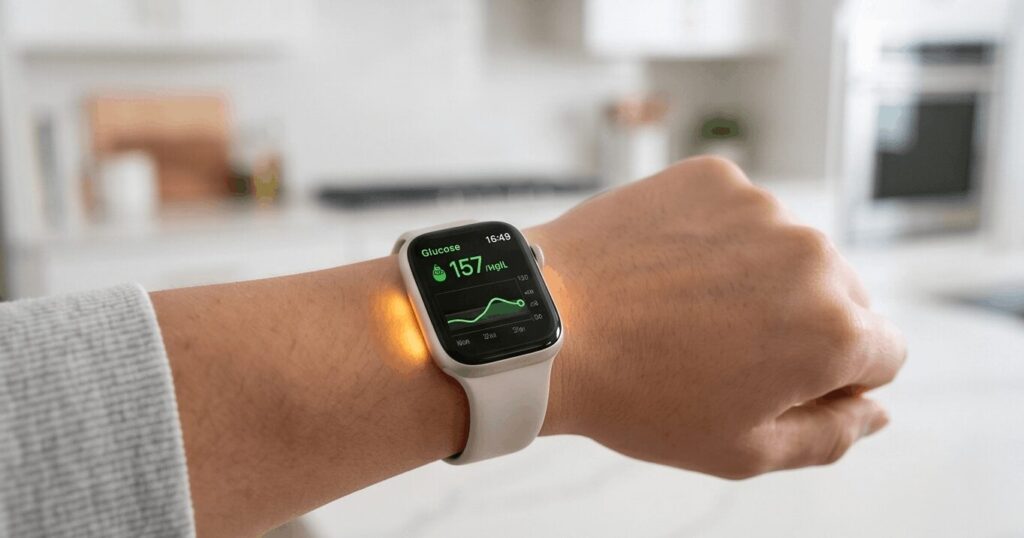
- Tracking blood sugar without the pain: For anyone dealing with diabetes, pricking your finger multiple times a day is a miserable routine. New optical sensors are changing that. They use specific light waves to read glucose levels right through your skin. Zero skin pricking required.

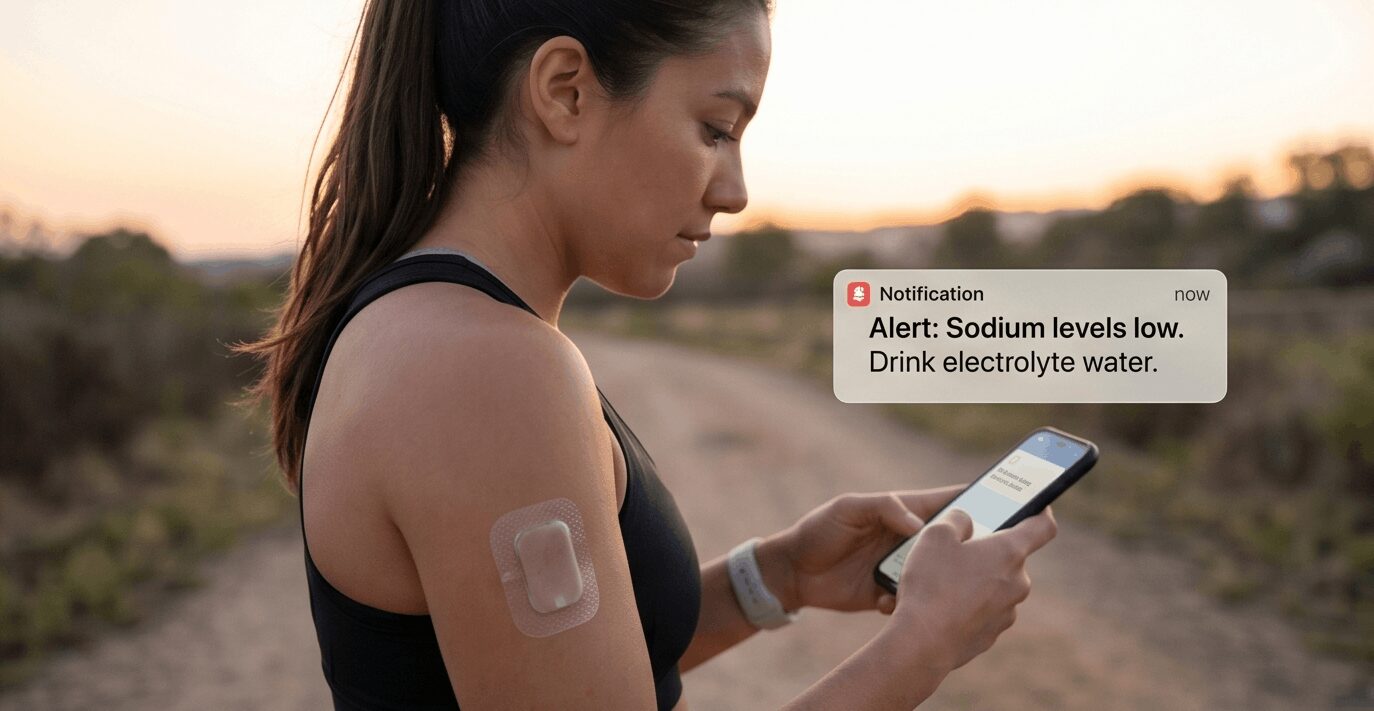
- Sweat-testing stickers: Heavy watches get annoying when you’re lifting or running. Now, developers are testing disposable stick-on patches that test your sweat mid-exercise and text you to drink electrolytes before your muscles lock up. You won’t have to guess why your energy suddenly bottomed out during a run because an alert will simply tell you to go grab some salt.
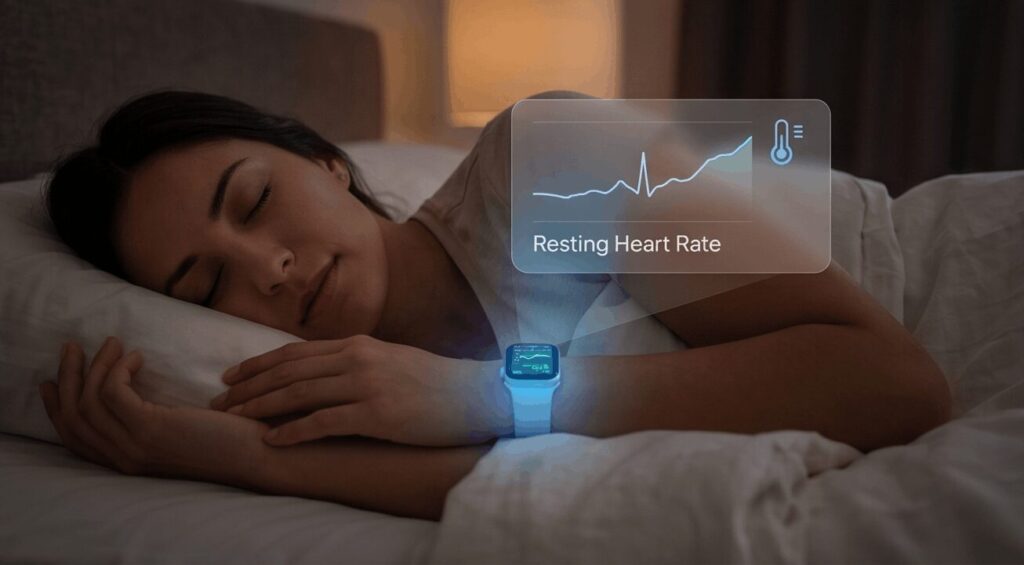
- Pre-illness warnings: A day before a fever or a cold makes you feel awful, your baseline temperature and resting heart rate go through minor shifts. The software catches those microscopic adjustments and warns you to take it easy before the symptoms actually take over.

Read More: The No-Nonsense Remote Workforce Endpoint Security Checklist
Clothes That Double as Health Monitors
Wearing a bulky silicone strap to bed gets old fast. That’s why textile engineers are putting microscopic, flexible wiring straight into everyday cotton and polyester.
For instance, you just put on a standard gym shirt, and it keeps tabs on your spinal alignment, your lung expansion, and muscle fatigue. It’s an absolute game-changer for outpatient physical therapy. This is huge for anyone doing physical therapy in their living room. Instead of just guessing if you’re doing an exercise right, your clothes track your exact movements while you heal at home.

Algorithms in the Exam Room
“There are no shiny robot surgeons taking over your local clinic. The AI tools actually being bought by hospitals today just look like standard office software.”
Finding Patterns in the Noise
A human doctor, no matter how smart, only sees you for fifteen minutes during a checkup. They look at your current blood work and compare it to last year’s.
In contrast, a smart computer program can scan your last ten years of medical data, check your sleep history, look at the air quality in your neighborhood, and compare it all to millions of other patients in seconds.
Finding Problems Early
Similarly, standard software excels at tracking boring, repetitive numbers over long periods. If your kidney markers slowly degrade by a fraction of a percent year after year, a busy physician looking at a standard chart will probably overlook it. A background algorithm won’t. It highlights the tiny drop right away so you can adjust your lifestyle long before a chronic problem sets in.
Rebuilding the Body from Inside
Furthermore, some of the heaviest tech updates are happening at a microscopic level. Scientists are figuring out how to push our biological systems to heal themselves rather than just relying on foreign implants.
- Printing replacement cells: Instead of using artificial materials, laboratory bioprinters layer a patient’s own organic matter. They can create customized skin patches for severe injuries, and since the material shares your exact DNA, your immune system won’t fight it off.
- Permanent internal power: Getting cut open every decade just to replace a dying pacemaker battery is an archaic system. Solid-state, bio-friendly power cells are solving that exact issue, making implants last as long as you do.
Conclusion
Ultimately, the goal of all these future technology innovations isn’t to turn everyone into part-robot cyborgs. It’s much simpler than that. It’s about building a quiet, invisible safety net under your daily life. Once the medical world fully shifts from putting out fires to fireproofing the house, everyday life gets much easier. We all get to live a lot longer without spending half our lives in hospital waiting rooms.
Quick Questions & Answers
How do these upcoming health technologies actually affect my daily life?
You stop waiting for a disaster to book a doctor’s appointment. The tech acts as a background monitor, catching small physical dips while they are still easy to treat.
Will an AI health app ever replace a human doctor?
No chance. It works like an early warning system. It simply hands your physician months of clear, continuous data so they don’t have to base your diagnosis on a 10-minute chat.
When can we buy watches that track blood sugar without needles?
The technology is fully functional in research labs right now. Major tech companies are currently working through strict medical testing and government approvals to get it built into standard smartwatches over the next few years.
Are scientists really printing human organs with 3D printers?
We can’t print a whole, working human heart yet—that is still a long way off. That said, creating simple organic matter like basic blood vessels or skin patches is happening right now.
Aren’t these next-gen medical tools going to cost a fortune?
It will start out pricey, just like any new technology. But because preventing a chronic disease is a thousand times cheaper than treating a medical emergency, health systems and insurance companies are heavily incentivized to make these tools cheap and accessible to everyone.