
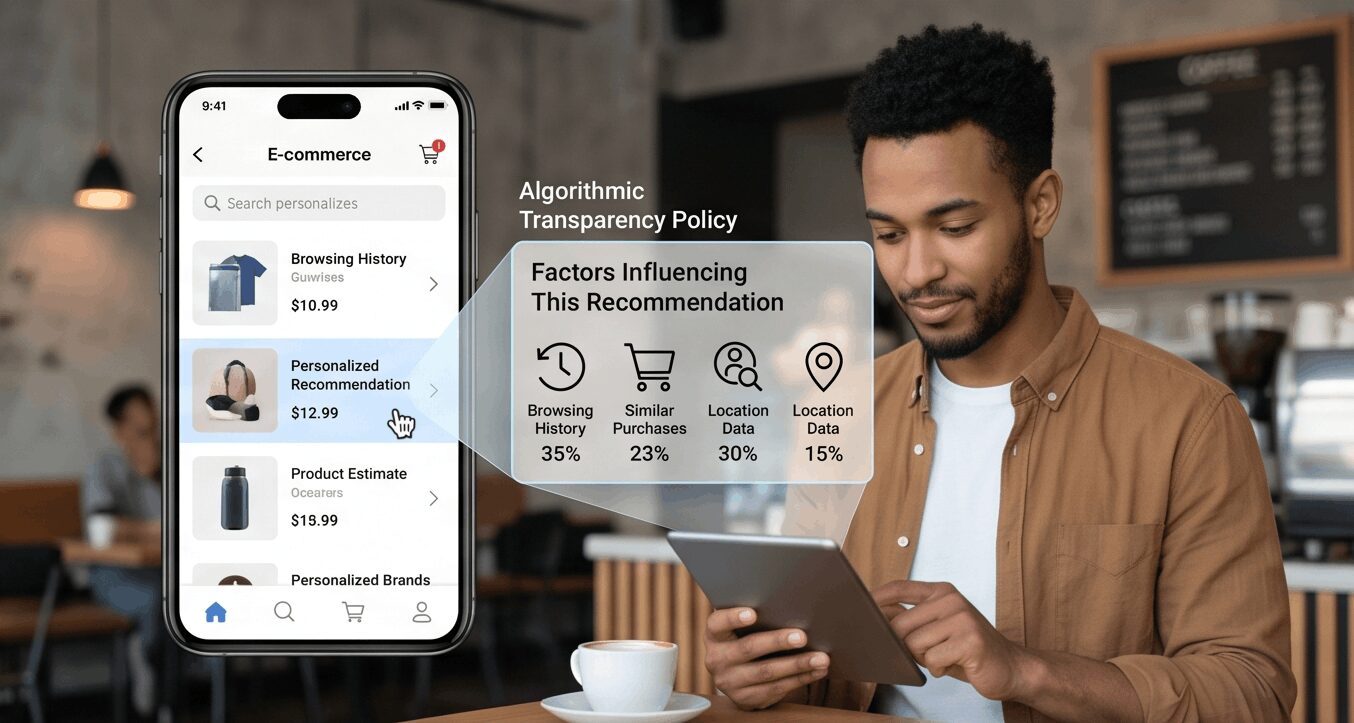
Let’s be completely honest for a second. Nobody reads privacy policies. We all just scroll straight to the bottom, hit “Accept,” and hope for the best. But then your phone suddenly knows you need running shoes right after you talked about it with a friend. Creepy, right?
As a result, that exact feeling is why tech policy updates and consumer impact are dominating the news right now. Governments are finally putting their foot down. The days of tech platforms doing whatever they want are pretty much over. Let’s look at how these new laws are changing your daily digital life.
Privacy Laws with Real Teeth
For instance, remember the Wild West days of the web? Those are ending. Laws like the GDPR over in Europe and California’s CCPA started a massive wave. Companies simply can’t hoard your personal info without asking anymore.
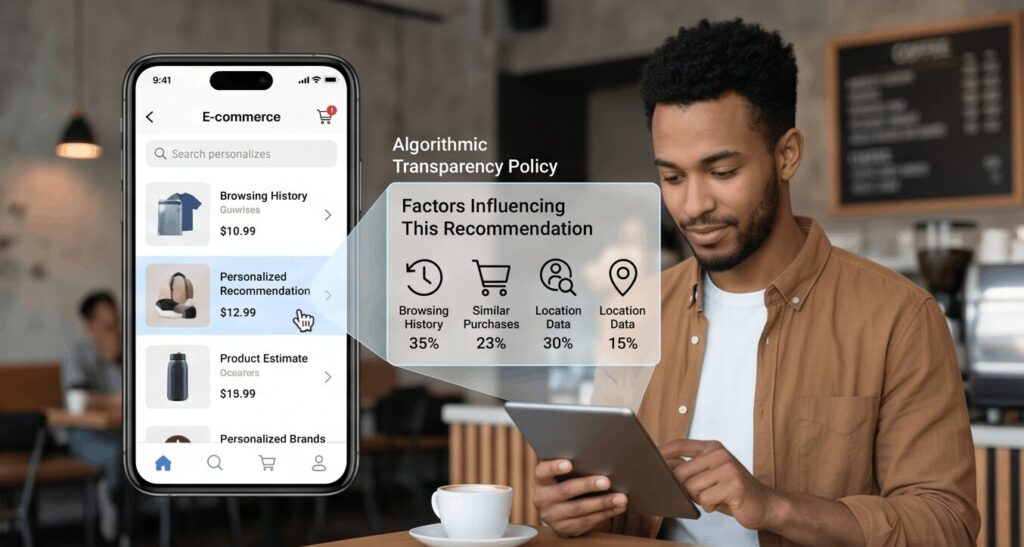
Here is how that looks on your screen:
Clear choices: Pre-ticked consent boxes are a thing of the past. You must physically opt-in.
The delete button: You can demand a company wipe your data completely off their servers.
Stopping the brokers: It’s getting way easier to stop them from selling your profile to strangers.
What About Your Fitness Apps?
For example, you probably use a smartwatch or track your sleep. For years, nobody treated that data like actual medical records. It was just a massive loophole. Now? Regulators are locking it down.
Specifically, nobody should sell your heart rate and sleep habits to insurance companies or targeted advertisers. Recent crackdowns are finally making sure your wellness journey stays totally private.
AI Algorithms: No More Hiding
In fact, AI is quite literally everywhere. But until recently, companies used the “black box” excuse. “For years, they just shrugged and said their software was too complicated to explain. Politicians have stopped accepting that answer.”
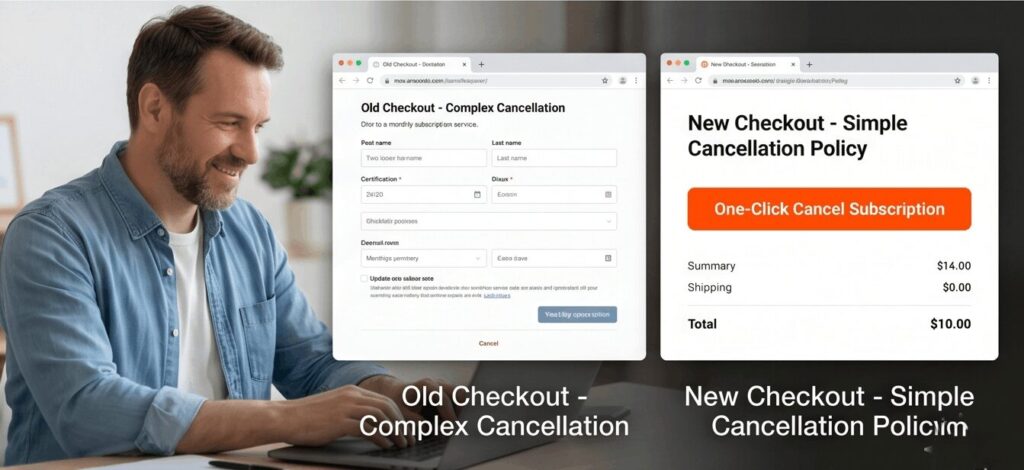
As a result, governments now want algorithmic transparency. If an AI system denies your loan or hides certain posts from your feed, companies must explain why.
Ending price tricks: Ever seen a flight get expensive just because you refreshed the page? Regulators are banning that now.
Fixing bias: New rules force companies to audit their systems so you aren’t unfairly judged when applying for jobs online.
Making Online Shopping Less Annoying
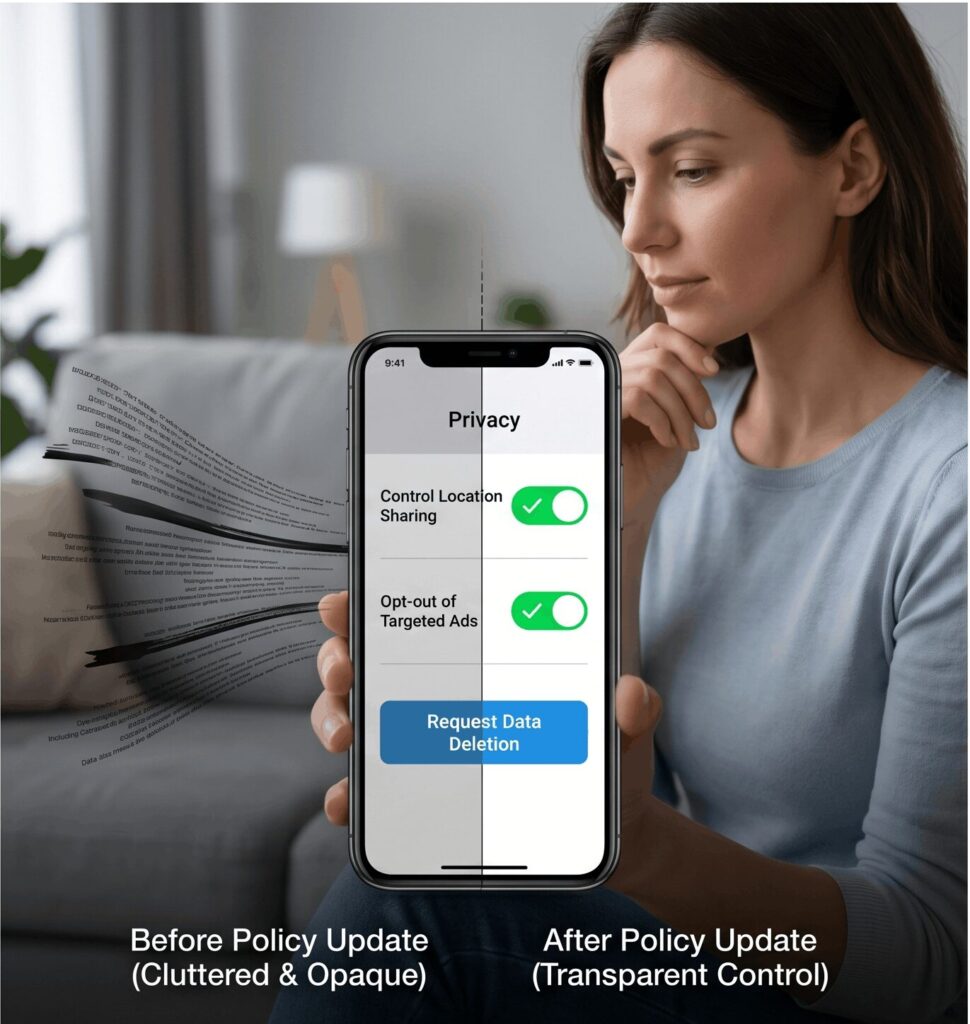
Similarly, we’ve all been trapped in a sneaky online subscription that took five phone calls to cancel. The industry calls these “dark patterns.” New e-commerce rules are finally stepping in to keep things simple and fair. The new standard is obvious: if signing up takes one click, canceling should take exactly one click too.
Frequently Asked Questions
What do these new tech rules mean for me?
In other words, think of it as finally getting the steering wheel back. The rules now force tech firms to be upfront about what they track, putting your personal space way ahead of their bottom line.
Will I still see those creepy targeted ads?
Honestly, yes, they won’t vanish overnight. The big difference now is control—companies legally must ask if they can track you first, so you can easily just tell them “No.”
Are my sleep and workout apps private now?
Getting there! New laws are stopping third-party health apps from secretly selling your sensitive stats to data brokers.
What are dark patterns?
They are sneaky website tricks. Think of hidden unsubscribe buttons or extra items mysteriously added to your cart. Lawmakers are actively outlawing them.
How do AI laws help me?
They force companies to explain their tech. This leads to fairer online pricing and stops algorithms from unfairly judging you based on hidden biases.