The No-Nonsense Remote Workforce Endpoint Security Checklist

A professional woman monitoring a secure cybersecurity analytics dashboard on a laptop next to a home router.

Let’s be honest: your company’s sensitive data isn’t locked behind that expensive firewall in the main office anymore. Instead, it’s sitting on an employee’s kitchen counter, a crowded downtown coffee shop, or someone’s backyard table. The moment your team shifted to remote or hybrid work, the traditional office boundary vanished. Every single laptop, smartphone, and … Read more

Simple Cloud Security Mistakes Beginners Must Avoid in 2026

Cloud security mistakes beginners must avoid

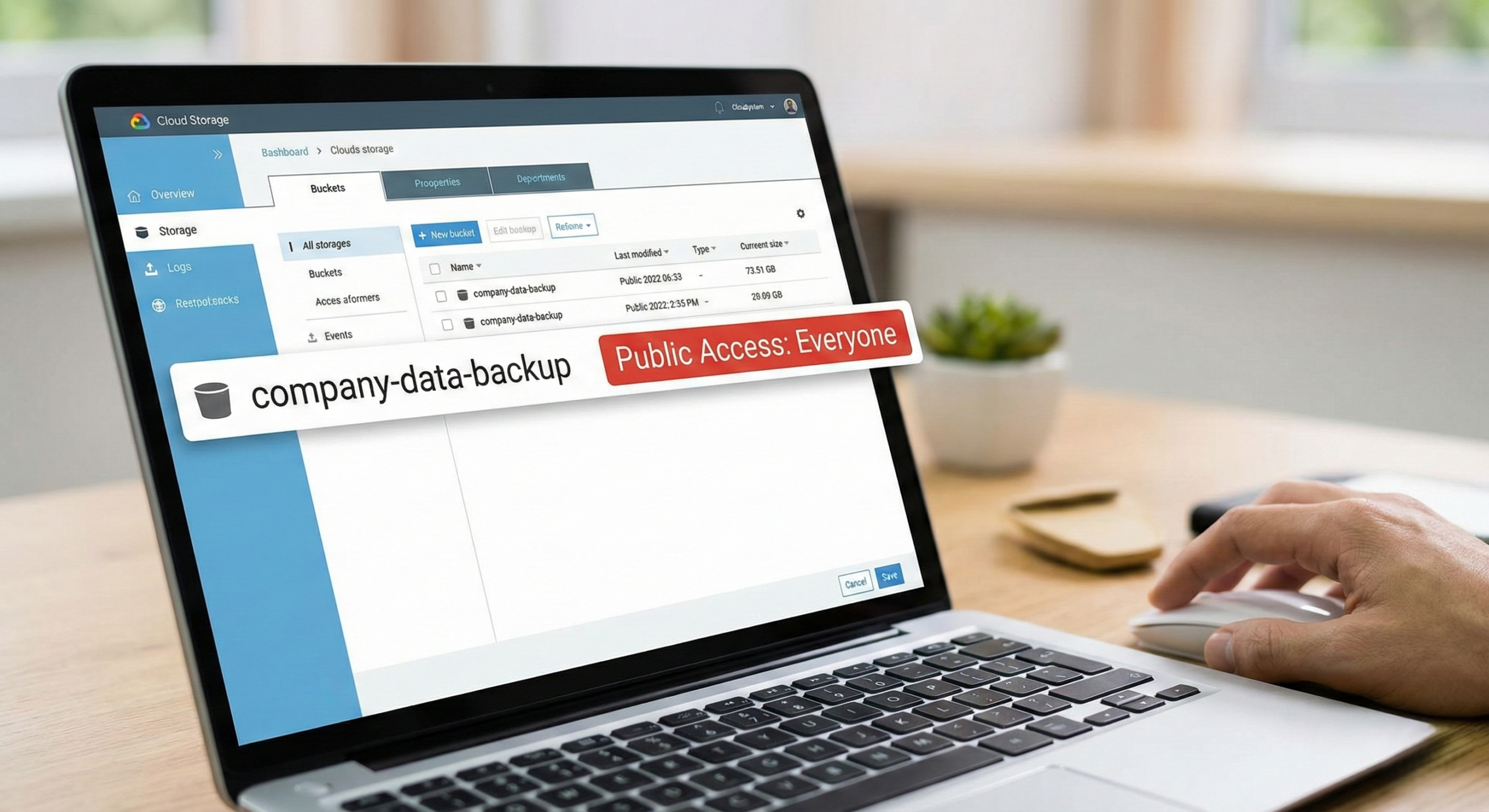
It is exciting to migrate to the cloud. It’s fast. It’s flexible. It saves money. Nevertheless, cloud security beginners make basic errors without even knowing it. With the latest developments in cloud computing, even slight errors can cause harm. They can lead to information leakage, insufficient security, and unnecessary risks. The good news? You just … Read more

Digital Supply Chain Security: Protecting Modern Businesses From Hidden Cyber Risks

Today’s business world is highly connected. Its digital supply chain security relies on a complex network of partners. These include software companies, cloud services, third-party vendors, and automation solutions. Although this connectivity promotes innovation, it also provides opportunities for cyber threats to arise. A secure digital supply chain is no longer a nice-to-have proposition but … Read more

Cyber Resilience Planning: Building Stronger Digital Defense in the Age of Quantum Computing Innovations

Today’s rapidly changing tech environment brings an intricate set of cyber threats. Quantum computing breakthroughs, in particular, speed up data processing—and hacking rates. Companies, institutions, and governments must move from traditional cybersecurity to cyber resilience planning. Cyber resilience extends beyond preventing attacks. It also helps an organization recover from an attack and keep operating. This … Read more

Autonomous Security Systems: Transforming Modern Protection with Intelligent Technology

Introduction: Quantum Computing Innovations Driving the Future of Security The era of autonomous security systems marks a leap forward for security technology. Fueled by AI, machine learning, and quantum computing, these systems have grown smarter, faster, and more durable than ever. Autonomous security solutions are also shifting threat detection toward real-time responses for businesses, homes, … Read more

Edge Computing Security Protecting Data at the Network’s Edge

As modern technologies evolve, more devices, applications, and systems depend on instantaneous data processing. This shift has made edge computing a strong solution. It also brings the ever-increasing need for strong edge computing security. With data moving closer to the devices that use it, new vulnerabilities open up. Smarter, more proactive security strategies are therefore … Read more

Edge Computing Security: Safeguarding the New Frontier

Introduction Edge computing means processing data closer to the source rather than sending it to centralized data centers. It is changing how businesses and systems function. From self-driving cars to IoT sensors and locally placed medical equipment, complexity moves to the so-called “edge” of the cloud. Edge computing security, in particular, becomes critical as this … Read more

Cybersecurity Mesh: A Modern Security Paradigm for Distributed Environments

Introduction In today’s digital-first environment—remote work, multi-cloud deployments, IoT growth, and hybrid enterprises—legacy perimeter-based security is no longer adequate. Enter cybersecurity mesh, also called Cybersecurity Mesh Architecture (CSMA). It is a nimble, identity-centric approach built for wide, disparate environments. What Is Cybersecurity Mesh? Gartner describes Cybersecurity Mesh Architecture (CSMA) as “a composable, scalable approach to … Read more

“Zero Trust, Infinite Security: Rethinking Cyber Defense in 2025”

What Is Zero Trust Architecture? At a foundational level, Zero Trust Architecture (ZTA) follows the “never trust, always verify” maxim. In other words, never trust a user or device automatically, wherever they are. Each access request undergoes continuous identity assurance, real‑time risk evaluation, and dynamic, policy-based access control. It is based on the principle of … Read more