
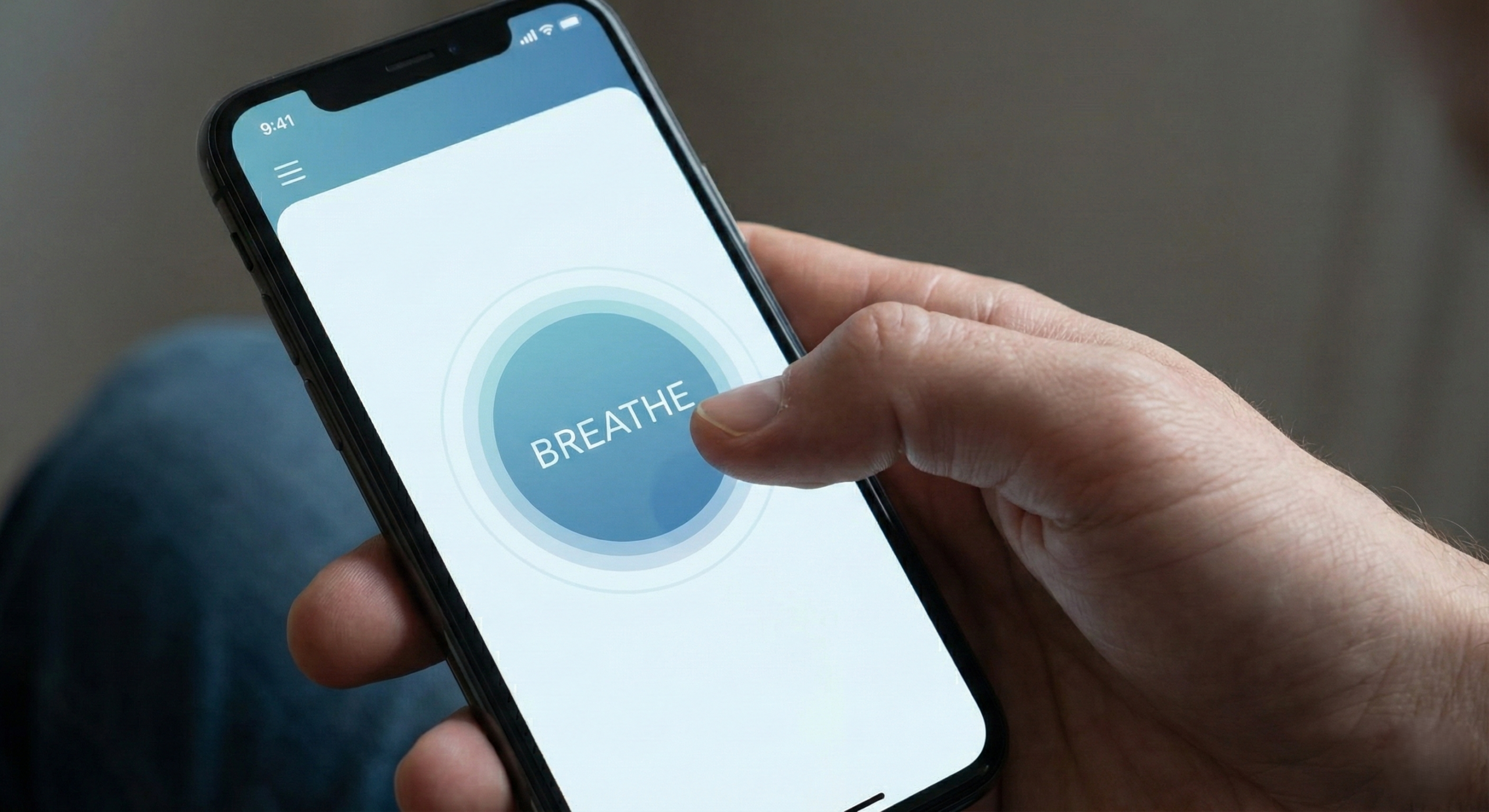
Tired of the daily routine? You are certainly not alone. The modern world moves fast. Paying attention to your emotional state has never been more important. Fortunately, the help could be right there at your fingertips on your smartphone. However, the application store is very boring to browse. When you search for mental health apps that are easy to use, you want a simple tool. It should reduce your stress, not intensify it.
Whether you manage anxiety, monitor your mood, or simply want better sleep, simplicity is the key. This article explains why user-friendly mental health apps matter. It also covers the easiest options available today.

The Significance of Simplicity in Mental Wellness Tech.
When you face burnout, anxiety, or low energy, your brain cannot learn complex software. That is why counselors recommend user-friendly therapy apps and simple meditation tools.
An overly complex application can also result in frustrations and the surrendering of your dreams. A well-designed app feels friendly and gently encourages a healthy routine. The concept is simple. Open the app, find what you need in seconds, and continue your life a little easier.
Best Functions of Simple-to-Use Mental Health Applications.
In case you want stress relief applications that would not bombard you, look out for the following three key characteristics:
User-Friendly Interfaces: The most helpful applications have spacious designs, attractive colors, and a minimal menu. The breathing routine is not a complicated task that needs a manual.
Quick Checking in Every Day: Mood tracking should not read like test taking on a standard. Good applications have brief check-ins, which last at most one minute.
Guided Meditations: Simplified Meditations with Guided Instructions Guided exercises are the easiest form of meditation because they give audible guidelines. It only takes you to press the play button and close your eyes and listen.
The top 5 mental health applications to use without strain.
You are close to finding some peace. Here are some of the most accessible, highly rated mental health apps on the market:
Headspace (Novice Friendly)
Headspace is highly welcoming if you have never tried mindfulness. The app has clear, step-by-step guided meditation courses that teach the basics. It suits people who think they cannot just sit down and meditate.
Meditation (Relaxation and Sleep)
Calm is known for its good user interface. On opening, relaxing nature sounds and a simple menu greet you. Its sleep stories, breathing sessions, and short daily meditations are easy to follow.
Fitness watch Super Charge (Best Smartwatch)
Moodfit is an effective mental health app without the noise. You can track moods, set daily wellness goals, and spot trends in your feelings. It resembles a structured electronic health journal that is quick to update.

Finch (Best in Gamified Self-Care)
Struggling with motivation? Finch makes self-care entertaining and painless. You tend a virtual pet bird by completing simple activities. Examples include drinking water, going outside, or breathing deeply. It is among the most intriguing, least stressful ways to build healthy habits.
Smiling Mind is the most suitable free alternative.
Smiling Mind is a completely free, easy-to-use app developed by psychologists and educators. Its mindfulness programs are specific to age and issue, such as sleep or focus. That makes it easy to find what you need in the moment.
The 10 Steps to the Perfect App.
So how do you select the right one? Here are a few quick tips:
Having identified your major goal, do you face problems with sleeping, or do you want to eliminate daily anxiety? Choose a special purpose application.
Free trial: Use the interface, and then pay to subscribe. In case it appears confusing within the first five minutes, delete it and use a different one.
Take into account time investment. Find the applications with 3-minute to 5-minute exercises so that they do not add to the overly busy ritual.
Conclusion
It is not a complicated task to preserve your mental health. Easy-to-navigate mental health apps remove the barriers to daily self-care. Whether you choose Headspace’s comforting meditation, Calm’s soothing sounds, or Finch’s game-based motivation, one rule applies. The best app is the one you will actually open and use. Take a deep breath and download a simple, user-friendly app today. It is a small step toward a healthier, happier life.
Frequently Asked Questions (FAQs).
Mental health apps Replacement of real therapy?
No. Mental health apps help with daily stress and mood monitoring. However, they cannot replace professional consultation and therapy from a licensed psychologist. They work best as an addition to professional care.
What are the most popular mental health applications that are free and simple to use?
Smiling Mind and Insight Timer are convenient apps with huge libraries of free content. Finch also has a strong free version for daily self-care and habit tracking.